
Homemade Food & Desserts in Jordan: A Growing MSE Opportunity
1) Executive Snapshot
Across Jordan, a quiet but powerful shift is happening: home kitchens are becoming micro-enterprises (MSEs). From traditional dishes to modern desserts, individuals—especially women and youth—are transforming culinary skills into income-generating businesses.
This is not a trend at the margins. It is a structural response to economic pressure, digital platforms, and changing consumer behavior.
2) The Rise of Homemade Food Businesses


6
Why It’s Growing
Economic Drivers
- Limited formal job opportunities → shift to self-employment
- Low startup cost (home kitchen vs. restaurant)
- Flexible income model (order-based production)
Social & Cultural Factors
- Strong trust in home-cooked quality and hygiene
- Preference for authentic flavors over mass-produced food
- Cultural familiarity with home-based cooking for events
Digital Enablement
- Instagram, WhatsApp, and Facebook act as:
- Storefronts
- Marketing channels
- Order management systems
3) What MSEs Are Selling
A) Traditional Foods (Core Demand)


5
These products dominate because they are:
- Time-intensive to prepare
- Difficult to replicate for busy households
Popular items:
- Mansaf (منسف)
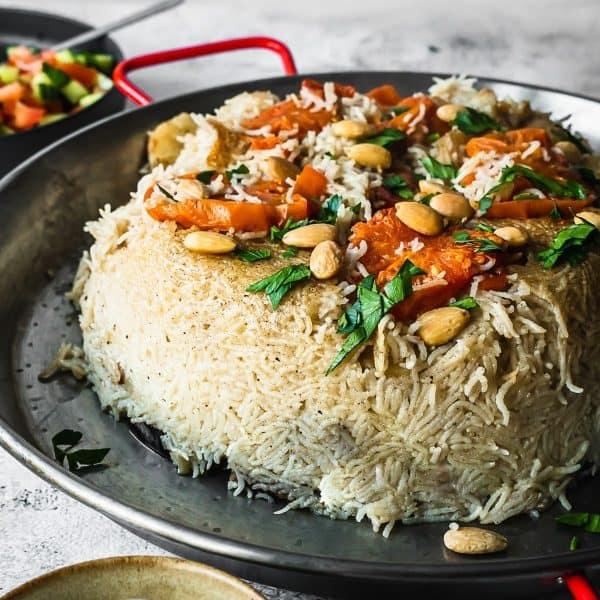
- Maqluba (مقلوبة)
- Kibbeh (كبة)
- Warak Enab (ورق عنب)
👉 Key insight: Customers are not just buying food—they’re buying time, authenticity, and reliability.
B) Homemade Desserts (High Margin Segment)


8
Desserts are often the most profitable category due to:
- Lower cost of ingredients vs. selling price
- Strong demand during occasions
Top-selling desserts:
- Kunafa (كنافة)
- Maamoul (معمول)
- Basbousa (بسبوسة)
- Chocolate cups & modern fusion desserts
👉 Trend: Hybrid products (e.g., kunafa + chocolate) are gaining traction, especially among younger consumers.
C) Event-Based & Custom Orders
- Wedding trays
- Ramadan family packages
- Corporate gifting desserts
- Birthday and celebration bundles
This segment is high-value, low-frequency, but critical for revenue spikes.
4) Business Model of Homemade MSEs
Typical Structure
| Element | Reality |
|---|---|
| Production | Home kitchen |
| Sales channel | Instagram / WhatsApp |
| Marketing | Word of mouth + social media |
| Delivery | Local delivery apps or drivers |
| Scale | Small batch, order-based |
Cost Advantage
- No rent
- Minimal labor costs
- Flexible production
👉 Result: Higher margins than small restaurants, but limited scalability.
5) Consumer Behavior in Jordan
Why People Buy Homemade
- Perceived cleanliness and care
- Emotional connection (“like my mother’s cooking”)
- Ability to customize
- Better value for money in some cases
Key Insight
Homemade food competes not just with restaurants—but with family cooking itself.
6) Challenges Facing MSE Food Sellers
Operational Constraints
- Limited production capacity
- Difficulty maintaining consistency at scale
Regulatory Issues
- Food safety compliance varies
- Informal operations → limited access to financing
Market Challenges
- High competition (low barrier to entry)
- Price sensitivity in mass segments
7) Strategic Opportunities (Consulting View)
1) Brand Building
Most MSEs sell products—but few build brands
→ Opportunity: Packaging, storytelling, identity
2) Platform Aggregation
A centralized marketplace for homemade food could:
- Standardize quality
- Expand reach
- Increase trust
3) Premium Positioning
High-income segments in Amman are willing to pay for:
- Organic ingredients
- Healthy desserts (sugar-free, gluten-free)
- Luxury presentation
4) Export Potential (Long-Term)
- Shelf-stable desserts (e.g., maamoul)
- Diaspora demand
8) Future Outlook
Evidence-Based Trends
- Continued growth of home-based businesses
- Increased use of social commerce
Forward-Looking Insights
- Transition from informal MSEs → licensed micro-brands
- Rise of “homegrown premium” food brands
- Integration with delivery ecosystems
9) Conclusion
Homemade food and desserts in Jordan are no longer just a cultural tradition—they are becoming a serious economic segment within the MSE ecosystem.
These businesses succeed because they combine:
- Authenticity
- Flexibility
- Cultural relevance
For MSE platforms and stakeholders, the opportunity is clear:
enable, formalize, and scale what already works—without losing the “homemade” advantage.